Your Joints Are Drying Out — And No Amount of Stretching Will Fix That
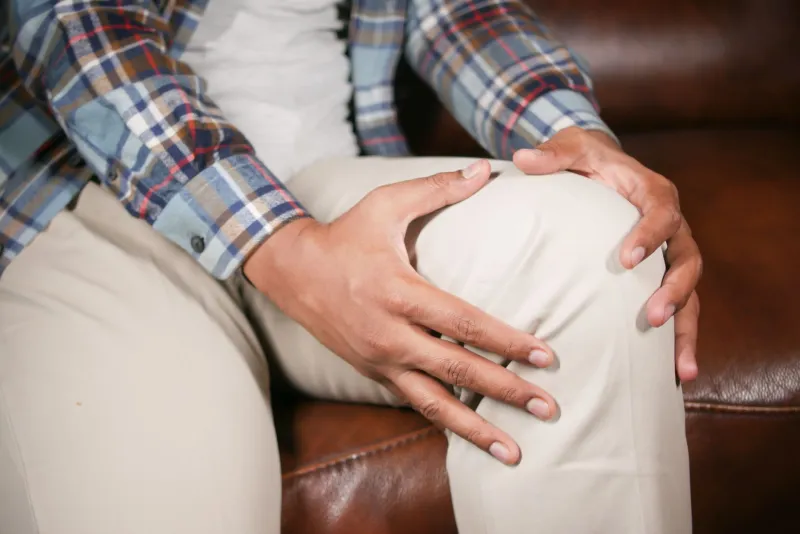
You've been showing up to yoga class three times a week. You hold your hamstring stretches longer than anyone else in the room. You foam roll, you breathe, you do all the things. And yet — your hips still clunk, your knees still protest, and that deep forward fold feels just as impossible as it did six months ago.
Here's the frustrating truth: you might be working on entirely the wrong problem.
Most of us in the fitness world have been trained to think about flexibility as a muscle issue. Tight muscles, short fascia, poor range of motion. So we stretch more. We hold longer. We push harder. But Ayurveda — India's ancient system of medicine that's been refining its understanding of the human body for over 3,000 years — sees the flexibility puzzle very differently. And once you understand its perspective, that plateau you've been banging your head against starts to make a lot more sense.
It's Not Your Muscles. It's What's Inside Your Joints.
Ayurveda identifies a substance called sleshaka kapha — essentially the body's internal joint lubricant — as the key to smooth, fluid movement. Think of it like the oil in a car engine. When levels are healthy, your joints glide. When they drop, everything grinds.
Modern anatomy has a name for this too: synovial fluid. That viscous liquid inside your joint capsules is what allows cartilage surfaces to move against each other without friction. When synovial fluid is healthy and abundant, joints feel supple and responsive. When it's depleted or degraded, no amount of external stretching compensates for the dryness happening at the structural level.
Ayurveda connects this depletion directly to an imbalance in vata dosha — the biological force governing movement, dryness, and lightness in the body. When vata runs high (which it tends to do in people who are constantly on the go, chronically stressed, under-eating, or living in dry climates), it literally desiccates the tissues, including the fluid-filled spaces around your joints.
The result? Cracking, stiffness, a sensation of grinding, and a flexibility ceiling that just won't budge no matter how diligently you stretch.
The Role of Ojas — Your Body's Deep Reserve
Ayurveda takes this one layer deeper with a concept called ojas — often translated as vital essence or the body's most refined nutritive substance. Ojas is what's left after your body has fully processed food, experience, and rest through all seven tissue layers. It's the cream that rises to the top.
Joint lubrication is intimately tied to ojas. When ojas is strong, tissues are well-nourished, fluid, and resilient. When ojas is depleted — through overwork, poor sleep, chronic stress, or a diet that's too dry, cold, or processed — the body starts rationing moisture, and your joints are among the first places to feel it.
This explains something a lot of active Americans experience but rarely connect: the person who trains hard, eats clean, and still feels stiff and brittle. High output without adequate restoration depletes ojas over time. Your muscles may be strong and lean, but your joint tissue is starving.
What Ayurveda Actually Does About It
The Ayurvedic approach to joint health is less about stretching and more about nourishing. Here's how that looks in practice:
Internal Oils and Fats
One of the most counterintuitive things Ayurveda recommends for stiff joints is eating more healthy fat. Ghee (clarified butter) is a cornerstone here. Ayurveda considers ghee deeply lubricating to connective tissue, and modern nutrition actually backs this up — fat-soluble vitamins and essential fatty acids play a real role in synovial fluid composition.
Sesame oil, warm milk with ashwagandha, and soaked nuts like almonds and walnuts are also traditional go-tos for building ojas and countering vata dryness. If your diet has been heavy on raw salads, cold smoothies, and low-fat everything, you may inadvertently be feeding the very imbalance causing your stiffness.
Abhyanga — The Daily Oil Massage
Ayurveda's most iconic daily practice for vata balance is abhyanga — a self-massage using warm oil (typically sesame for vata types, or a medicated oil like Mahanarayan if joint issues are more pronounced). The idea isn't just skin-deep moisturizing. Regular oil massage is thought to nourish the deeper tissue layers, calm the nervous system, and directly counter the drying effects of elevated vata.
Even 10 minutes before your morning shower can shift how your joints feel over time. It sounds almost too simple, but practitioners who build this habit consistently report meaningful changes in mobility within a few weeks.
Heat and Gentle Movement Before Stretching
Ayurveda has long understood what physical therapists now confirm: cold, stiff joints don't respond well to aggressive stretching. Warming the joint first — through movement, warm compresses, or oil — allows the synovial fluid to distribute more evenly and the joint capsule to become more pliable.
This is why traditional yoga practices always begin with gentle, warming movements before moving into deeper holds. It's not just about muscle warm-up. It's about creating the right internal environment for the joints themselves.
Herbs That Target Joint Tissue
Ayurveda has a rich pharmacopoeia of herbs specifically used to support joint health. Shallaki (Boswellia serrata) has significant modern research behind its anti-inflammatory effects on joint tissue. Guggul is traditionally used to clear accumulated waste from joints. Turmeric, of course, is now mainstream — but Ayurveda has paired it with black pepper and fat for bioavailability long before supplement companies figured that out.
These aren't quick fixes, but used consistently as part of a broader lifestyle shift, they address the root of the problem rather than just managing symptoms.
Rethinking What Flexibility Actually Means
Here's the reframe Ayurveda quietly offers: flexibility isn't primarily a muscular achievement. It's a reflection of your overall tissue health, hydration, and the vitality of your connective structures. You can have very flexible muscles wrapped around very unhappy joints — and that combination is actually a setup for injury, not wellness.
The goal isn't to force your body into deeper ranges of motion. It's to create the internal conditions where your body wants to open up — because the joint environment is moist, warm, nourished, and supported.
If you've been stuck at the same flexibility plateau for months, the question isn't how do I stretch more. It's what is my body missing that would allow it to move more freely?
Ayurveda's answer, as usual, starts from the inside out.
A Simple Starting Point
You don't have to overhaul everything at once. Start with two things: add a tablespoon of ghee to your daily diet and spend five minutes doing warm sesame oil massage on your knees and hips before your next practice. Notice what changes over two weeks.
Joints are slow tissue. They respond slowly to damage, and they respond slowly to healing. But they do respond — when you give them what they actually need.