Cold Season, Wrong Plan: How Ayurveda Personalizes Immunity So You Stop Getting Sick the Same Way Every Year
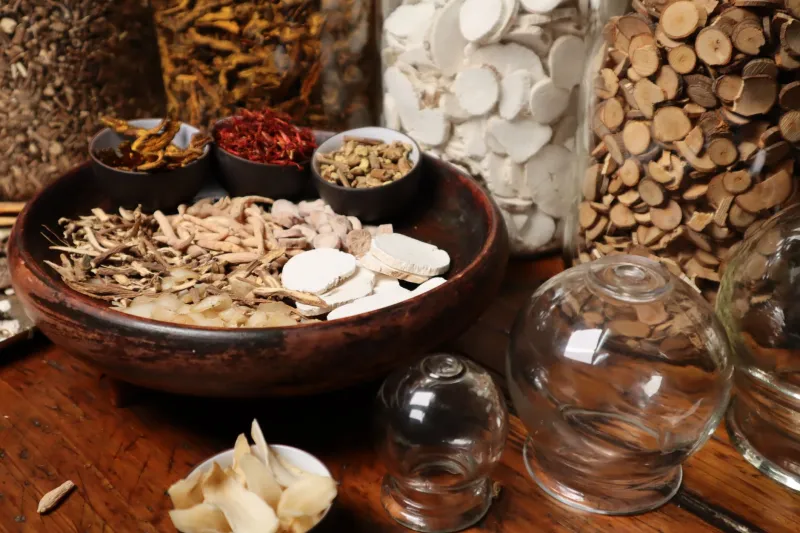
Every October, the wellness industrial complex kicks into high gear. Vitamin C packets show up at every Trader Joe's checkout. Influencers push the same immunity smoothie. Your coworker swears by her elderberry syrup. And yet — you still get that brutal head cold in February.
Ayurveda would tell you the problem isn't your commitment. It's that you've been running someone else's immune protocol.
In Ayurvedic medicine, immunity isn't a single dial you turn up with the right supplement. It's called ojas — a subtle essence described as the refined end-product of healthy digestion and balanced living. And how you build, protect, or deplete ojas in winter depends enormously on your individual constitution, your dosha.
Generic wellness advice skips that part entirely.
Why Winter Is Already a Challenge for Every Dosha
In Ayurveda, winter is primarily a Vata season. The qualities of Vata — cold, dry, light, rough, and mobile — are amplified in the environment, which means anyone can start to feel their effects: cracked skin, poor sleep, anxiety, constipation, and a general sense of being scattered or depleted.
But here's where it gets personal. Each dosha responds to those Vata qualities differently, and the strategies that genuinely strengthen immunity for one person can quietly undermine another.
Most American wellness culture defaults to Kapha-style immune boosting — heavy, warming, dense foods and spices. Think golden milk loaded with ghee, thick bone broths, and aggressive warming herbs like ginger and black pepper. For Kapha types, this can actually clog the channels that ojas needs to flow through. For Pitta types, all that heat can quietly inflame the system. For Vata types, it can be exactly right — or deeply drying if the fat and moisture balance is off.
Let's break it down.
Vata Types: Nourish First, Then Warm
If you're predominantly Vata — lean build, creative mind, tendency toward anxiety and irregular digestion — winter hits you hardest. Your system is already aligned with the season's qualities, which means you're the most vulnerable to depletion.
The Ayurvedic priority for Vata immunity isn't stimulation. It's grounding and building.
What actually helps:
- Warm, oily, slightly heavy foods — think well-cooked root vegetables, khichdi (the classic Ayurvedic rice and lentil dish), and soups with a generous pour of ghee
- Abhyanga, the practice of self-massage with warm sesame oil, done daily before your shower — sesame is specifically warming and deeply penetrating for Vata tissue
- Ashwagandha, an adaptogenic root that builds ojas without overstimulating — it's genuinely one of the most validated Ayurvedic herbs in modern research for immune modulation and stress resilience
- Consistent sleep schedules — Vata's enemy is irregularity, and immune function tanks when your circadian rhythm is chaotic
What to watch out for: Raw foods, cold smoothies, excessive fasting, and overly stimulating herbs like high-dose ginger or cayenne. These spike agni (digestive fire) briefly but leave Vata more depleted afterward.
Pitta Types: Cool the Fire Before You Feed It
Pitta constitutions — medium build, sharp intellect, driven personality, strong digestion — often feel like they're thriving in winter at first. The cooler air is actually a relief. But Pitta immune issues tend to show up as inflammatory responses: sinus infections that become sinus inflammation, colds that turn into fever, or skin flares triggered by stress and rich holiday food.
For Pitta, immune support is less about adding heat and more about maintaining clarity in the channels.
What actually helps:
- Warm but not hot foods — spiced but not aggressively spicy. Turmeric is your best friend here; it's anti-inflammatory, bitter enough to pacify Pitta, and one of the most studied immunomodulatory herbs in existence
- Amalaki (Indian gooseberry, also called amla) — considered the premier Pitta-balancing herb in Ayurveda, extraordinarily high in natural vitamin C, and a core ingredient in the tonic Chyawanprash
- Coconut oil for abhyanga instead of sesame — cooling, light, and nourishing without adding more heat
- Meditation and genuine downtime — Pitta's immune system gets hammered by overwork and perfectionism more than by cold weather
What to watch out for: Aggressive warming protocols, excess garlic and onion (both very heating), and the tendency to push through illness rather than rest. Pitta types often rationalize staying at the gym when they should be on the couch with a blanket.
Kapha Types: Stimulate, Don't Sedate
Kapha constitutions — sturdy build, calm temperament, steady digestion, loyal and patient — have the most natural ojas reserves. In theory, Kapha types should sail through winter. In practice, they often get the most stubborn respiratory congestion: the chest colds that linger for three weeks, the sinus mucus that never fully clears, the fatigue that settles in like a fog.
For Kapha, immunity is about moving what accumulates rather than building reserves.
What actually helps:
- Lighter, spicier foods — this is where ginger, black pepper, and long pepper (trikatu formula) genuinely shine. These herbs stimulate digestion and break up excess mucus
- Honey — raw, unpasteurized, used in small amounts. Ayurveda considers honey uniquely scraping and clarifying for Kapha tissue. It's one of the few sweeteners Ayurveda recommends for this dosha
- Dry brushing or vigorous self-massage with lighter oils like mustard or even a dry powder (udvartana) to stimulate lymphatic movement
- Movement — Kapha immunity absolutely requires exercise. Even a brisk 30-minute walk daily can shift the stagnation that makes Kapha types prone to slow, heavy illness
What to watch out for: The heavy, nourishing protocols that work for Vata. Excess dairy, too much ghee, afternoon napping, and sedentary evenings are Kapha immune-system killers in winter.
The One Thing Every Dosha Needs
Regardless of constitution, Ayurveda points to one universal immune foundation: a strong, regulated agni, or digestive fire. Most immune depletion, in Ayurvedic thinking, starts with poor digestion creating ama — a kind of toxic, unprocessed residue that clogs the body's channels and blocks ojas.
The simplest daily practice for every dosha? Drink warm water throughout the day. Not room temperature, not ice water — genuinely warm. It sounds almost insultingly simple, but it's one of the most consistent Ayurvedic recommendations across every text, for every season, for every body type. Warm water gently stokes agni, moves ama, and keeps channels clear.
Your winter wellness plan doesn't need to be more complicated. It needs to be more yours.
Stop borrowing someone else's immunity protocol and start asking what your body type actually needs when the temperature drops. Ayurveda spent thousands of years working that out — you might as well use it.